InclusionPositive CommunicationGLOS Educatief
Primary School Diversity
Diversity is important in primary schools because it helps children respect others, learn about different cultures, and build kindness. For teachers, it is useful for creating a welcoming classroom, supporting every child, and teaching important social skills that help students learn and grow together.
Growing Through Diversity
Learning about diversity in the classroom supports children in developing a strong and positive sense of identity, while also encouraging them to recognise, respect, and value people from a wide range of backgrounds. It helps to nurture empathy and plays an important role in reducing stereotypes and prejudice, while also guiding children toward building inclusive and respectful relationships with others. Within the primary classroom, early exposure to diverse perspectives also strengthens key 21st-century skills such as communication, collaboration, critical thinking, and global awareness. When the learning environment is inclusive, every child is more likely to feel valued, respected, and confident in expressing who they are.
Forms of Learning
Diversity Becomes a Strength in Learning
When children are exposed to diversity in the classroom from an early age, it helps normalize differences in culture, language, and background, so that they don’t see them as unusual or unfamiliar. That way, when they meet peers with different experiences or identities, those differences feel natural rather than unexpected. If diversity is not meaningfully included in classroom learning and interactions, then children may first encounter differences in less guided environments, where misunderstandings or stereotypes are more likely to form. By intentionally bringing diversity into everyday teaching, educators help children build familiarity, respect, and openness toward others from the very beginning.
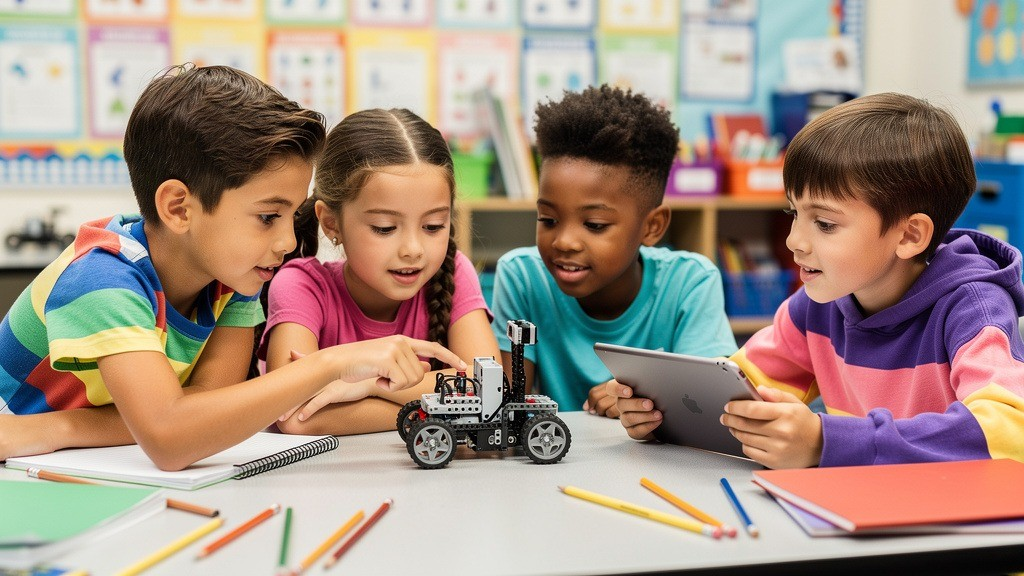 Practical Classroom Activities:
Explore different perspectives: Discuss stories, situations, or current issues from different points of view. Ask students how people with different experiences might see the same situation.
Celebrate diversity: Use books, examples, and learning materials that represent different cultures, families, abilities, and ways of thinking.
Encourage inclusive teamwork: Organize group activities where students have different roles and learn to value each other’s contributions.
Practice respectful communication: Teach students to listen actively, ask questions with curiosity, and disagree respectfully.
Connect learning to citizenship: Discuss how fairness, inclusion, cooperation, and respect can make the classroom and wider community better places for everyone.
Scientific Articles
Research and scientific publications on the topic.
Podcasts
Audio content and podcast episodes related to the topic.
Creating Inclusive Classrooms With Nina Henderson
Hayley Browning, Nina Henderson
Fostering Inclusive Classrooms: Building Relationships, Empowering Voices, and Honoring Diversity (Summer Series 24')
Joel Jr Llaban, Kailyn, Sherry Philips, Lawrence Alexander
S12/E2: Fostering Equity Through Culturally Responsive Teaching With Dr. Sharroky Hollie
Steve Sofronas, Dr. Sharroky Holli
Books
A carefully curated collection of books on the topic.
Culturally Responsive Teaching and The Brain: Promoting Authentic Engagement and Rigor Among Culturally and Linguistically Diverse Students
Zaretta L. Hammond
Open Minds to Equality – 4th Edition
Nancy Schniedewind, Ellen Davidson
Antiracist Reading Revolution [Grades K-8]: A Framework for Teaching Beyond Representation Toward Liberation (Corwin Literacy)
Sonja Cherry-Paul
Undoing Ableism: Teaching About Disability in K-12 Classrooms
Susan Baglieri, Priya Lalvani
Being the Change
Sara K. Ahmed
Useful links
Useful tools and resources related to the topic.
Related news
EmpathyLesson IdeasGroep 8GLOS Educatief
Good examples of lessons on relationship and sexuality education in primary schools
Social JusticeNewsGLOS Educatief
National reporting centre for discrimination for children and young people
Frequently asked questions
Practical resources and inspiration to prepare children for the future.
Subscribe to our newsletter and receive a free ebook with classroom-ready ideas and educational insights for teaching and professional growth.